


 In stock
SainSmart
SainSmart TPU flexible filament, 1.75 mm, 0.8 kg
TPU
1.75 mm · 0.8 kg
2 options available
From £28
No artificial pigment is added, the coloring of this Prusament comes from processed organic waste, such as red algae.
Prusa Research 4.5/5 on Trustpilot (opens in a new tab)company reviews, not this product
 1 / 8
SKU PRUSA-3531-0
Order before 3pm UK time for same-working-day processing, then tracked UK delivery.
Choose your options. The price updates as you go.
Prusament rPLA Corn Pigment 1kg (NFC). Prusament rPLA Pigment 1kg (NFC). No artificial pigment is added, the coloring of this Prusament comes from processed organic waste, such as red algae.
Prusament rPLA Natural Pigments is our own in-house recycled PLA filament with natural pigment additives. The filament is made of PLA parts manufacturing waste provided by our external supplier. No artificial pigment is added, the coloring of this Prusament comes from processed organic waste, such as red algae. The organic additives create a noticeable scent during printing. The Prusament rPLA Natural Pigments has mechanical properties similar to regular PLA, but it is slightly more brittle and hygroscopic. In general, PLA is used for various aesthetic models, prototypes, and other visual parts. With Prusament rPLA Natural Pigments, these parts can be made with significantly lower ecological impact. Last but not least, the natural pigments give rPLA pleasant subtle colors, perfectly suitable for various home decor and other aesthetic purposes.
Check Prusa's material table and print-surface preparation instructions before starting.
Prusament filaments are wound on a redesigned spool that introduces several improvements for an even better printing experience, starting in October 2025. The new spool features a simple locking mechanism that makes disassembly quick and easy, allowing effortless refills. It also stays secure during filament drying, even at higher temperatures. And with its slimmer dimensions, the spool ensures compatibility with a wide range of multi-color and multi-material printing systems.
Every new Prusament spool now comes with a fully rewritable NFC tag powered by the OpenPrintTag standard. It’s designed to work across brands and ecosystems. It is free to use, free to extend, and open for anyone to build upon. Most importantly, it works entirely offline. All essential data is stored directly on the tag. Your printer can recognize the spool instantly, with no dependence on cloud services or vendor lock-ins. The OpenPrintTag attached to your Prusament spool contains essential data about the material and can be read with the Prusa mobile app.
Read more in our announcement article.
What can you expect?
Prusament rPLA Natural Pigments is our in-house made PLA filament with ±0.03mm manufacturing tolerance and natural pigments. The filament is made of recycled PLA from industrial waste. No artificial pigments are added; the coloring of this Prusament comes from processed organic waste, resulting in a unique shade for every batch. You can inspect the parameters of every spool we made at prusament.com.
Prusament is produced by Prusa Polymers, with manufacturing checks throughout production.
Premium-Grade Materials And Thorough Testing The whole manufacturing process is closely monitored and tested – string diameter, color consistency, and mechanical properties – to make sure that every spool is perfect.
Prusa specifies a filament diameter tolerance of ±0.03 mm. Check the product notes for blend-specific tolerances.
Spool-level production data can be accessed through the QR code on the spool.
For our recycled filaments, we had our carbon footprint calculated. You can find more about our sustainability activities in our sustainability report.
Read more about Prusament in the article at blog.prusa3d.com or Prusament.com!
PLA is a practical starting material for learning filament printing. Use the profile and surface preparation recommended for the specific spool and printer.
When post-processing PLA, it’s better to use wet sanding. Without water you’ll quickly start heating the plastic by friction, it will melt locally and deform. Also, without water, the sanding material would clog easily.
PLA parts can be joined with suitable adhesives; Prusa recommends superglue for many applications. Solvent response varies with formulation, additives and colour, so do not assume all PLA can be solvent bonded in the same way.
For our recycled filaments, we had its carbon footprint calculated. You can find more about our sustainability activities in our sustainability report.
This rPLA is made in-house by Prusa Research.
1.75 mm filament is manufactured with precision of +- 0.03 mm
Before printing, make sure the surface of heatbed is clean as described in 3D Printing Handbook.
To dry the filament, please follow the instructions in our article.
DOWNLOAD PORTFOLIO
Ask about compatibility, the right configuration, or delivery for this product.
In stockSainSmart
1.75 mm · 0.8 kg
2 options available
From £28
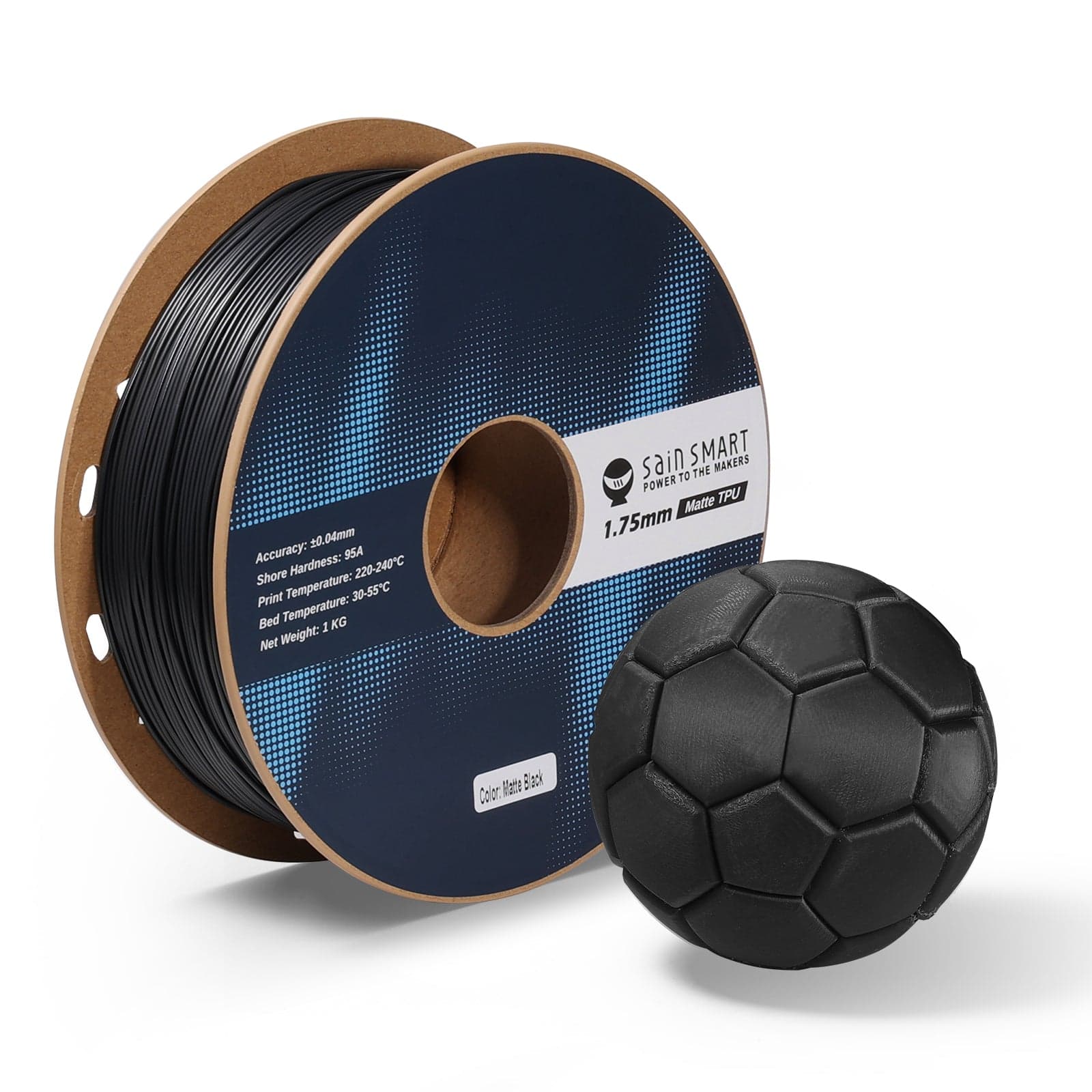 In stock
SainSmart
1.75 mm · 1 kg
6 options available
From £30
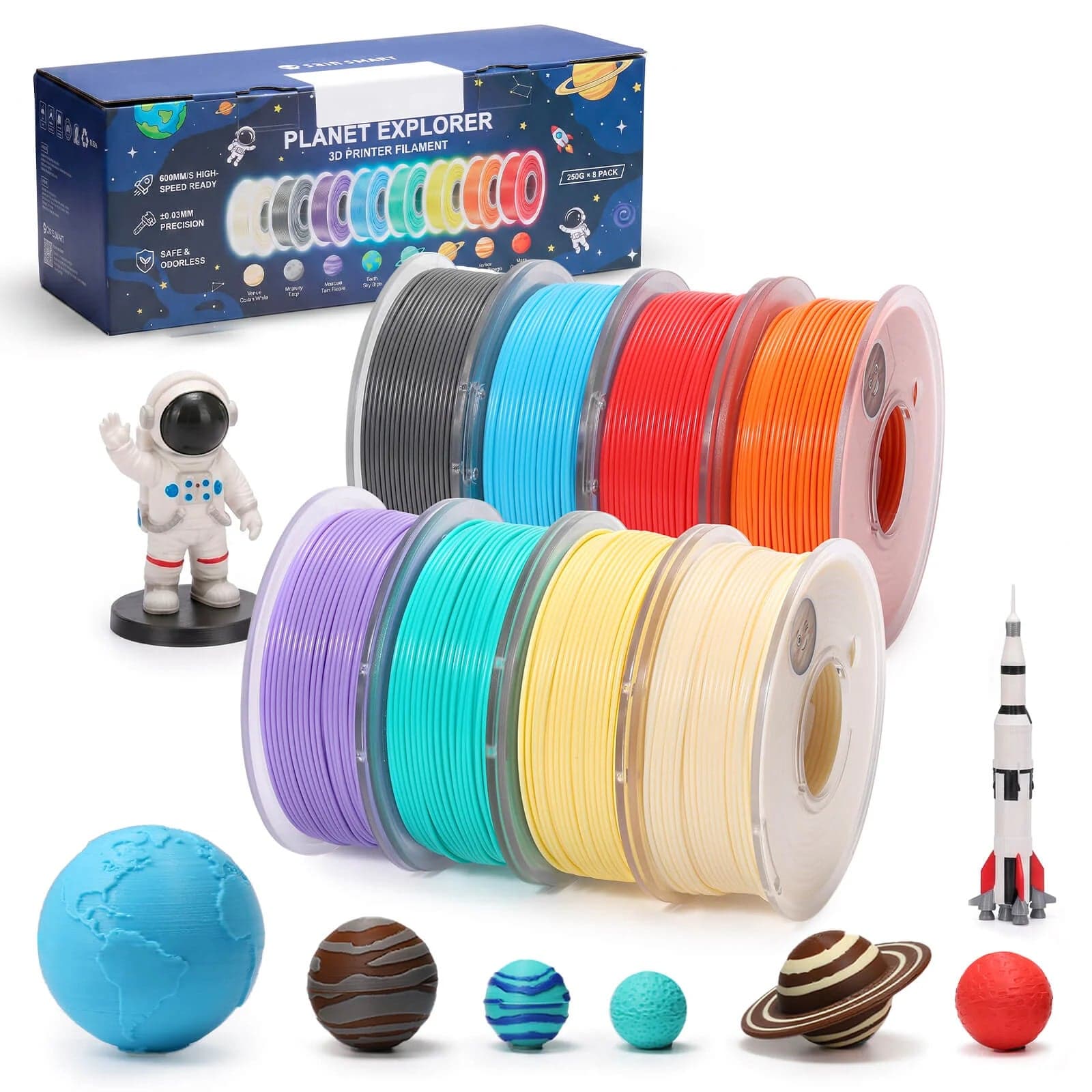 In stock
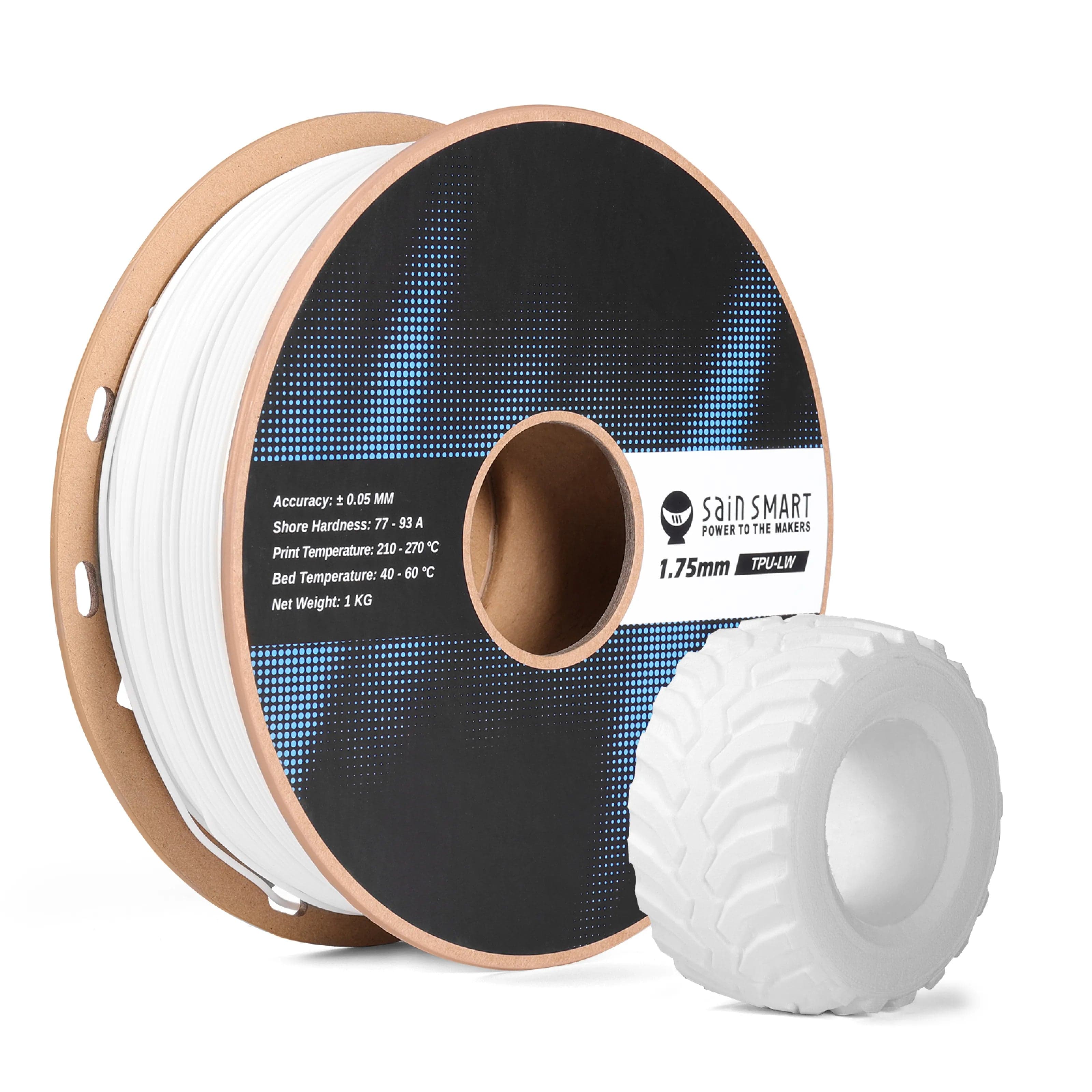 In stock
Use the configuration selector above to check each package, current price and availability. The selected variant is the one added to your basket.
Yes. Storefront prices are shown in GBP including VAT. Available delivery services and charges are shown at checkout before payment.
Free UK delivery on this order
Your cart is empty
Add a printer, materials or spares and they will appear here.